

Iranian Parliament Speaker Warns Crude Oil Could Surge to $140 a Barrel
Published On 30 Apr, 2026
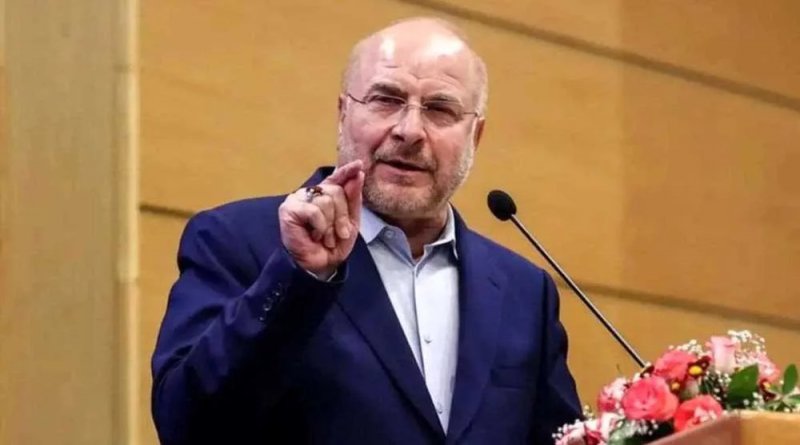
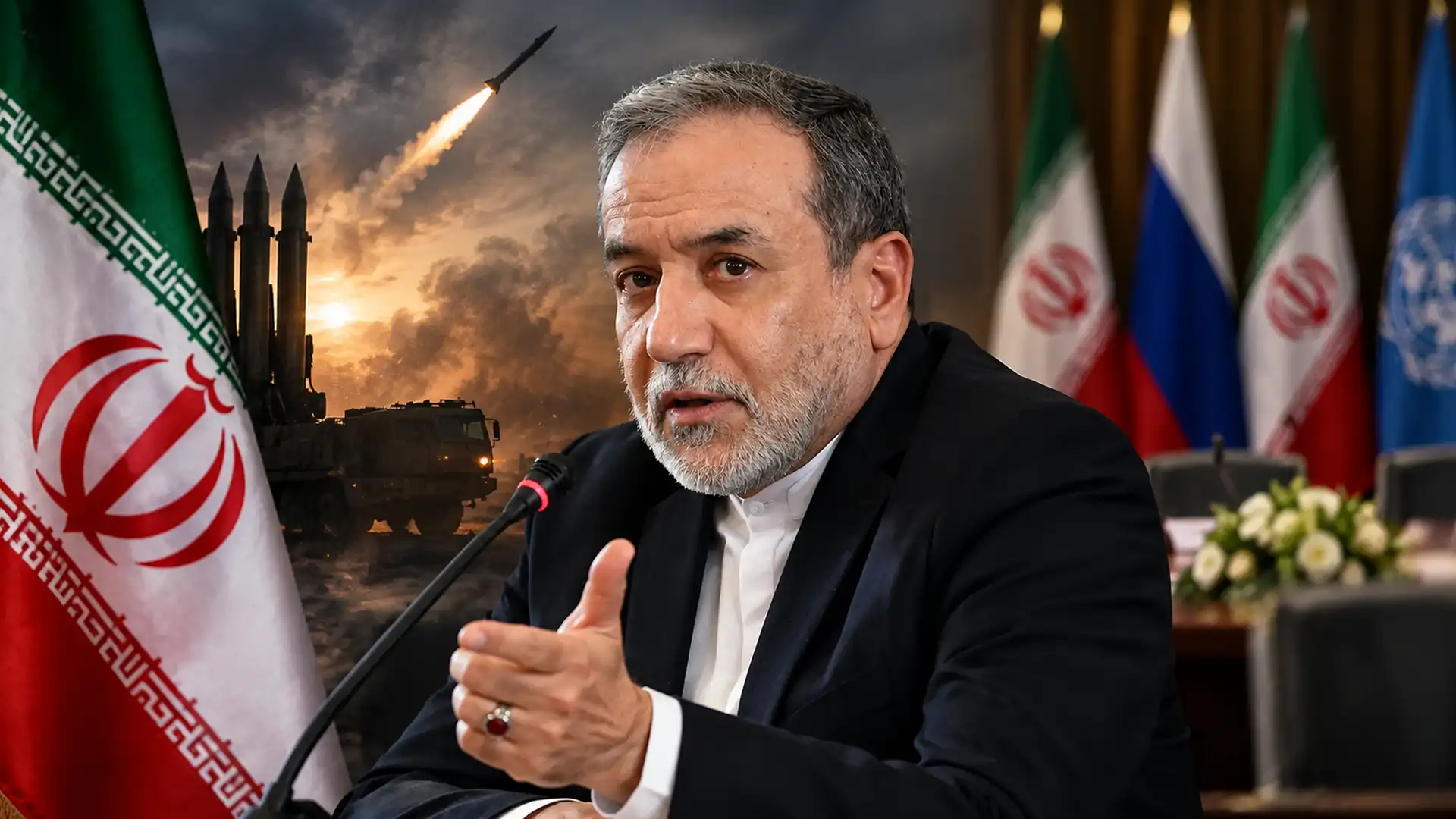
In a sharp English-language post on X, the powerful Iranian wartime figure said US warnings about Iran’s oil infrastructure were based on “junk advice” and argued that Washington’s approach was driving prices higher instead of containing them.
Ghalibaf, one of the most influential figures in Tehran’s wartime leadership structure, ridiculed the US effort to use Iranian oil as a price-suppression tool.
Pointing to the first three days of US military operations, he noted that no Iranian oil infrastructure had been destroyed or suffered the type of damage predicted by Washington.
“3 days in, no well exploded. We could extend to 30 and live stream the well here,” Ghalibaf wrote on X.
His comments were aimed at US claims that blocked exports could create mechanical pressure inside Iran’s oil system and damage infrastructure.
‘Next stop: 140,’ Ghalibaf says
Ghalibaf directed his strongest criticism at US Treasury Secretary Scott Bessent, saying he represented the kind of poor advice being given to the Trump administration.
“That was the kind of junk advice the US admin. gets from people like Bessent who also push the blockade theory and cranked oil up to $120+. Next stop:140,” he wrote.
“The issue isn’t the theory, it’s the mindset,” Ghalibaf added.
Also Read: Trump discusses months-long Iran port blockade
His message framed Washington’s policy as strategically incoherent, arguing that threats of a blockade were pushing global oil prices higher rather than weakening Iran.
Trump warned Iranian oil lines could explode
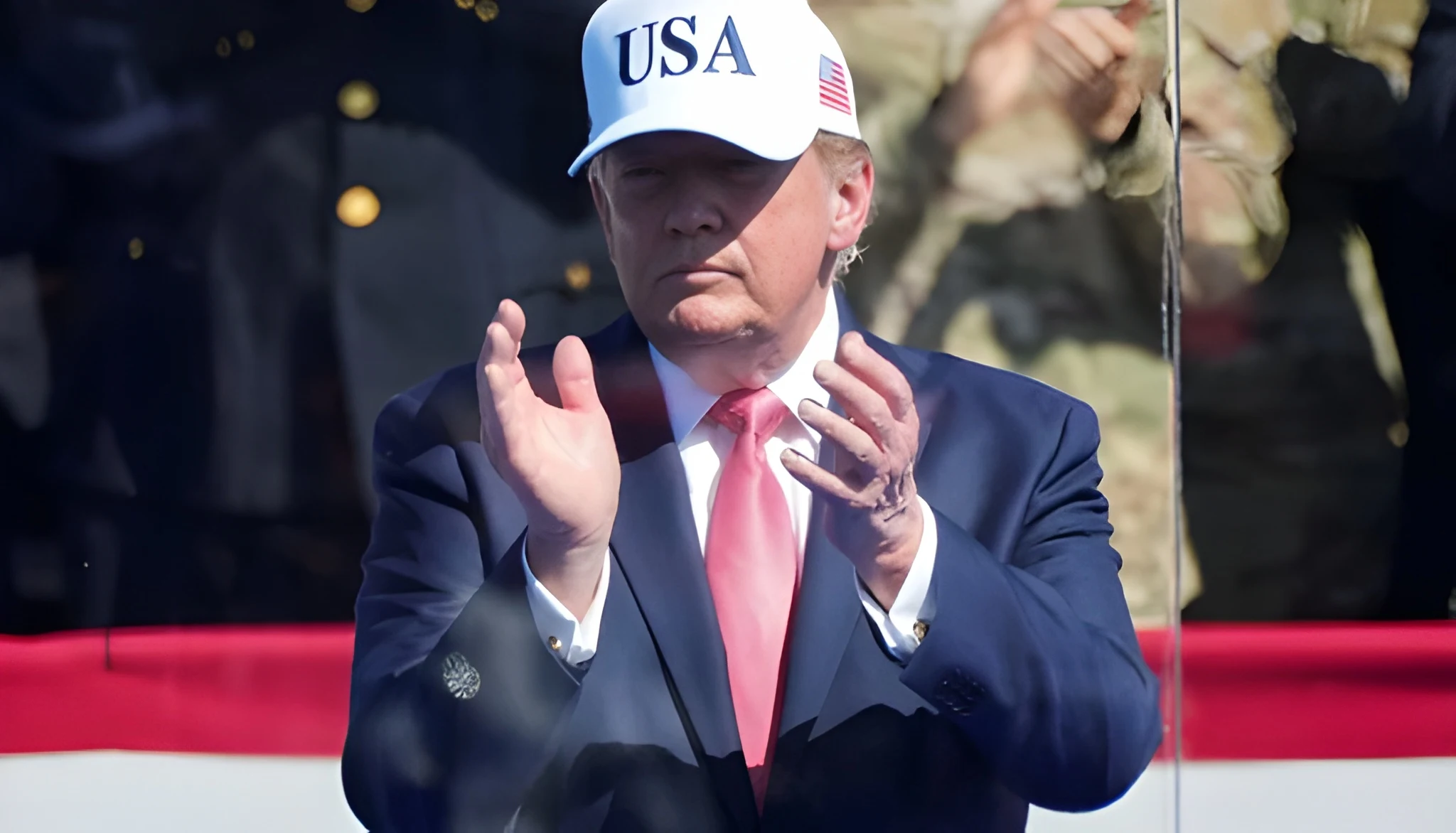
Ghalibaf’s post came after President Donald Trump claimed in an interview with Fox News that a pipeline carrying a massive amount of oil could explode internally if the flow were blocked and oil could not be loaded onto ships or containers.
Trump said there were only about three days left before such an incident could occur in Iran. He also claimed that once such a line exploded, it could “never be restored to its original state under any circumstances.”
Iran’s parliament speaker dismissed that claim as the product of “junk” advice from officials such as Bessent.
Washington’s oil gamble faces criticism
The exchange follows an unusual move by Washington to temporarily lift sanctions on an estimated 140 million barrels of Iranian crude already sitting on tankers at sea.
Bessent presented the move as leverage, saying the administration would “use the Iranian barrels against the Iranians to keep the price down” during the campaign. He said the authorization applied only to oil already in transit and did not allow new purchases or new production.
Critics quickly questioned the logic of the decision. Outside experts warned that the measure suggested Washington had underestimated Iran’s economic resilience.
Also Read: US seeks new coalition to reopen Strait of Hormuz
Oil markets did not appear reassured by Washington’s intervention. By late March, international Brent crude was trading near $111 and had risen roughly 84% for the year.
The US-Israeli aggression, repeated US threats to resume airstrikes on Tehran if no agreement is reached, and restrictions on transit through the Strait of Hormuz have all contributed to rising oil prices over the past two months.
Oil prices rose more than 5% to a fresh four-year high on Thursday after Trump warned that the US blockade of Iranian ports could last for months.
Brent crude for June delivery surged 6.8% to $126 on Wednesday, while West Texas Intermediate jumped 3% to top $110.
Airlines prepare for even higher fuel costs
The energy market shock is also affecting major companies. United Airlines CEO Scott Kirby reportedly wrote to employees that the airline was planning around oil reaching $175 per barrel.
According to reports, Kirby said prices may not return below $100 until at least the end of 2027, showing how deeply energy markets have repriced the risks tied to the conflict.
Also Read: Iran speaker says US blockade aims to divide nation
The US military is enforcing a commercial maritime blockade intended to trap Iranian oil inside the country. The strategy is designed to force Tehran into a difficult choice: slash production and lose revenue, or risk infrastructure damage from clogged pipelines and over-pressurised reservoirs.
Ghalibaf’s public taunt challenged that theory directly, sarcastically offering to continue the situation for 30 days and livestream proof that Iran’s oil infrastructure remained stable.
Ghalibaf’s role in Iran’s wartime leadership
Mohammad Bagher Ghalibaf, 64, has served as speaker of Iran’s Parliament since 2020. He is a former military commander, a former commander of the IRGC Air Force and a former mayor of Tehran, a post he held from 2005 to 2017.
Ghalibaf has an engineering background and is often described as a “pragmatic” hardliner with deep roots in Iran’s security establishment.
His comments come amid reports of an internal power struggle in Iran, where Ghalibaf and other civilian leaders have reportedly been sidelined by Major General Ahmad Vahidi, who was named IRGC commander in late February.